Holiday, summer and sun! The thing we’ve all been waiting for is finally here ☀️ Did you know that the sun also plays an important role in our health? In this article, I’ll go through the benefits of sun exposure, why vitamin D is important, and how to get enough of it – through the sun, supplements and food.
The benefits of the sun
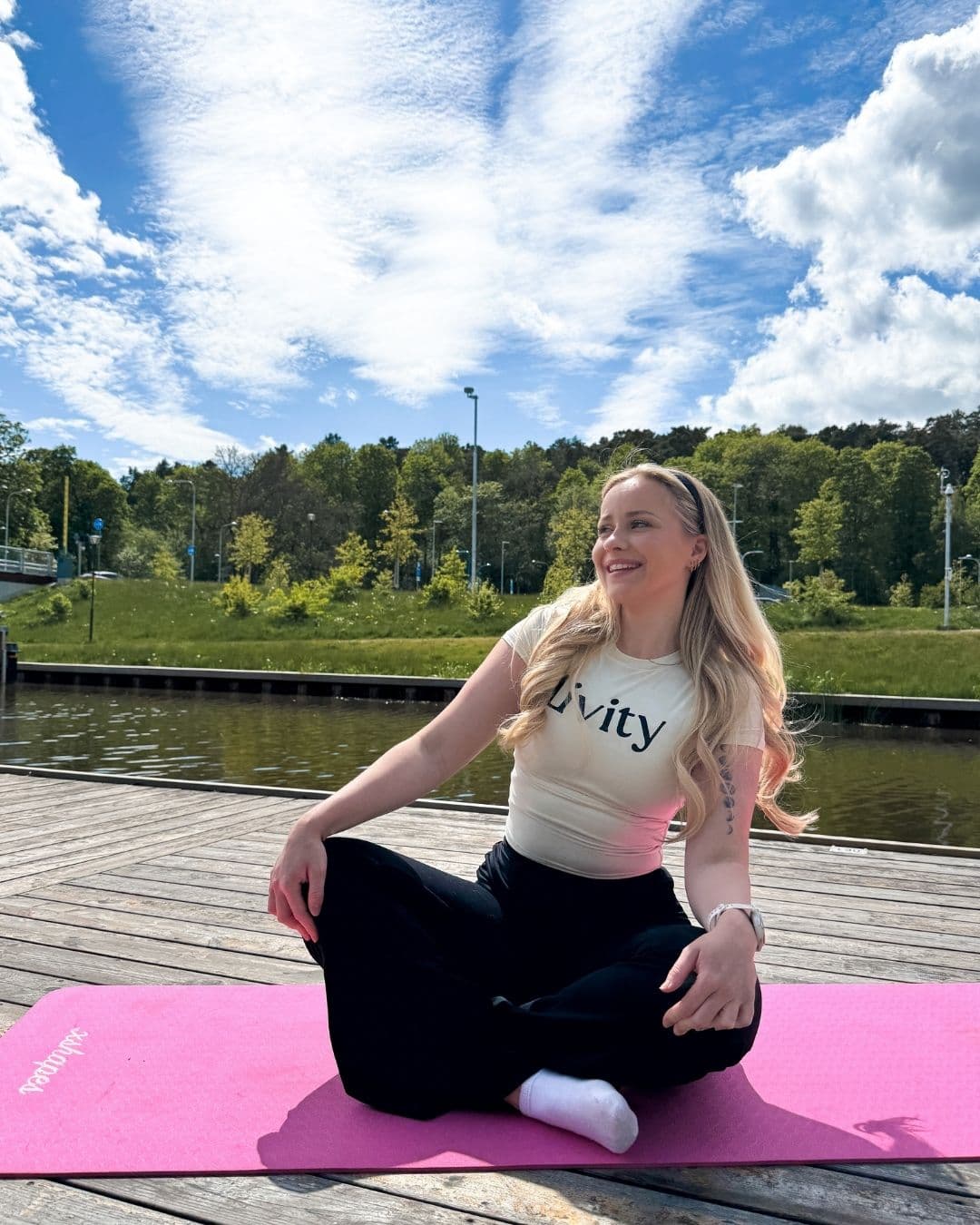
The body starts producing vitamin D as soon as the sun’s UVB rays reach our skin. In fact, it’s often enough to spend about 15–30 minutes outside a few times a week during the summer months.
Other benefits of the sun:
☀️ Boosts the production of serotonin – the “feel-good” hormone that affects our mood and energy levels
☀️ Helps regulate your circadian rhythm – basically, it helps your body know when it’s day and night. Daylight makes us more alert and active, and when it gets dark, the body starts producing the sleep hormone melatonin – which makes it easier to fall asleep and get good-quality rest.
☀️ Reduces the risk of vitamin D deficiency – which comes with a bunch of health benefits ⤵️
If you have good levels of vitamin D, you’ll likely notice:
✔ A stronger immune system – your body finds it easier to fight off infections
✔ Better bone health – reduced risk of osteoporosis and fractures
✔ Lower risk of fatigue and low mood
✔ Improved muscle function and recovery after training
✔ Reduced inflammation in the body
So making sure you get enough vitamin D is a key part of feeling good – both physically and mentally.
Can the sun be harmful?
The sun has many benefits – but like most things, it’s all about balance. Too much sun without protection can have negative effects on the body:
Increased risk of skin cancer
Premature aging of the skin
Sunburn and pigmentation changes
My tip for you: Try to avoid strong sun in the middle of the day (around 11 AM to 3 PM), always use high SPF when spending longer periods outside, and remember – even short moments in the sun can make a difference for your vitamin D levels.
Vitamin D from food – what should you eat?
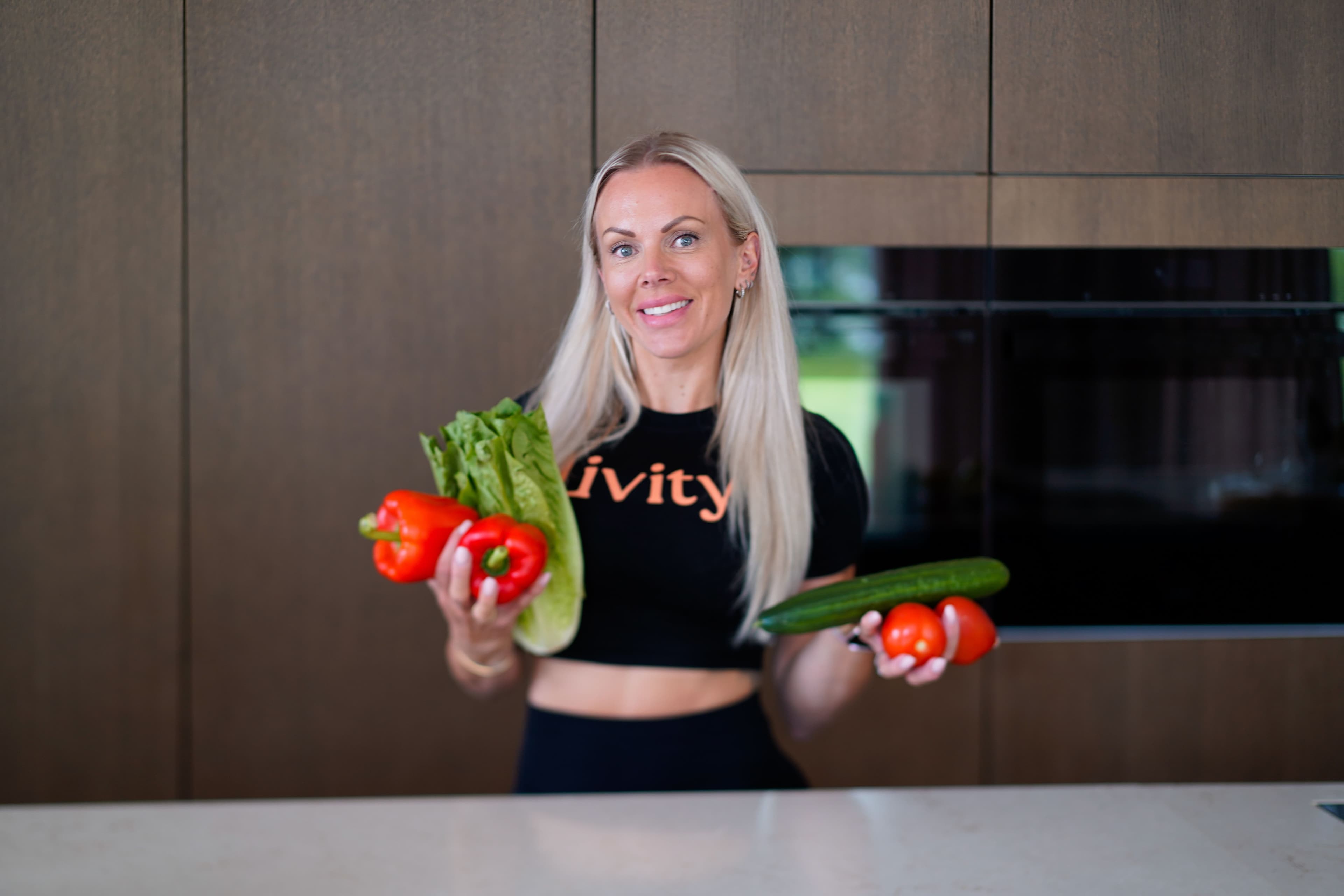
I wish it were easy to get enough vitamin D from food alone – but unfortunately, it’s usually not quite enough. That said, here are some good sources to include in your diet:
Fatty fish (like salmon, mackerel, herring)
Egg yolks
Fortified foods (like milk, margarine, and plant-based drinks)
Mushrooms (especially chanterelles and funnel chanterelles)
Do you need to take a supplement?
As you probably know, during the winter months (October to April), we don’t get enough sun exposure here in Sweden – and that’s when a vitamin D supplement can be really helpful, especially if you:
✔ Rarely spend time in daylight
✔ Are over 75 years old
✔ Train a lot and want to support your recovery
✔ Are pregnant or breastfeeding
✔ Have darker skin – which needs more sun exposure to produce the same amount of vitamin D
The Swedish Food Agency’s recommendation:
10–20 micrograms per day, depending on age and individual needs (Source: Livsmedelverket⤴︎)
Summary
So yes – the sun actually does more for us than just give us that summer feeling. It helps the body produce vitamin D, which in turn affects everything from immunity to mood and recovery. But like most things: balance is key. A little sun, the right foods, and maybe a supplement during winter – and you’re on the right track!
So enjoy the sunshine (psst! don’t forget your SPF), eat a piece of salmon every now and then, and you’ve already done something good for your body ☀️
 Linnea Kungsman Persson