What we drink affects us far more than we often realize. A glass of water can improve concentration, energy, and performance — while a few too many cups of coffee can impact sleep, stress levels, and recovery.
Caffeine – When It Helps and When It Hurts ☕️
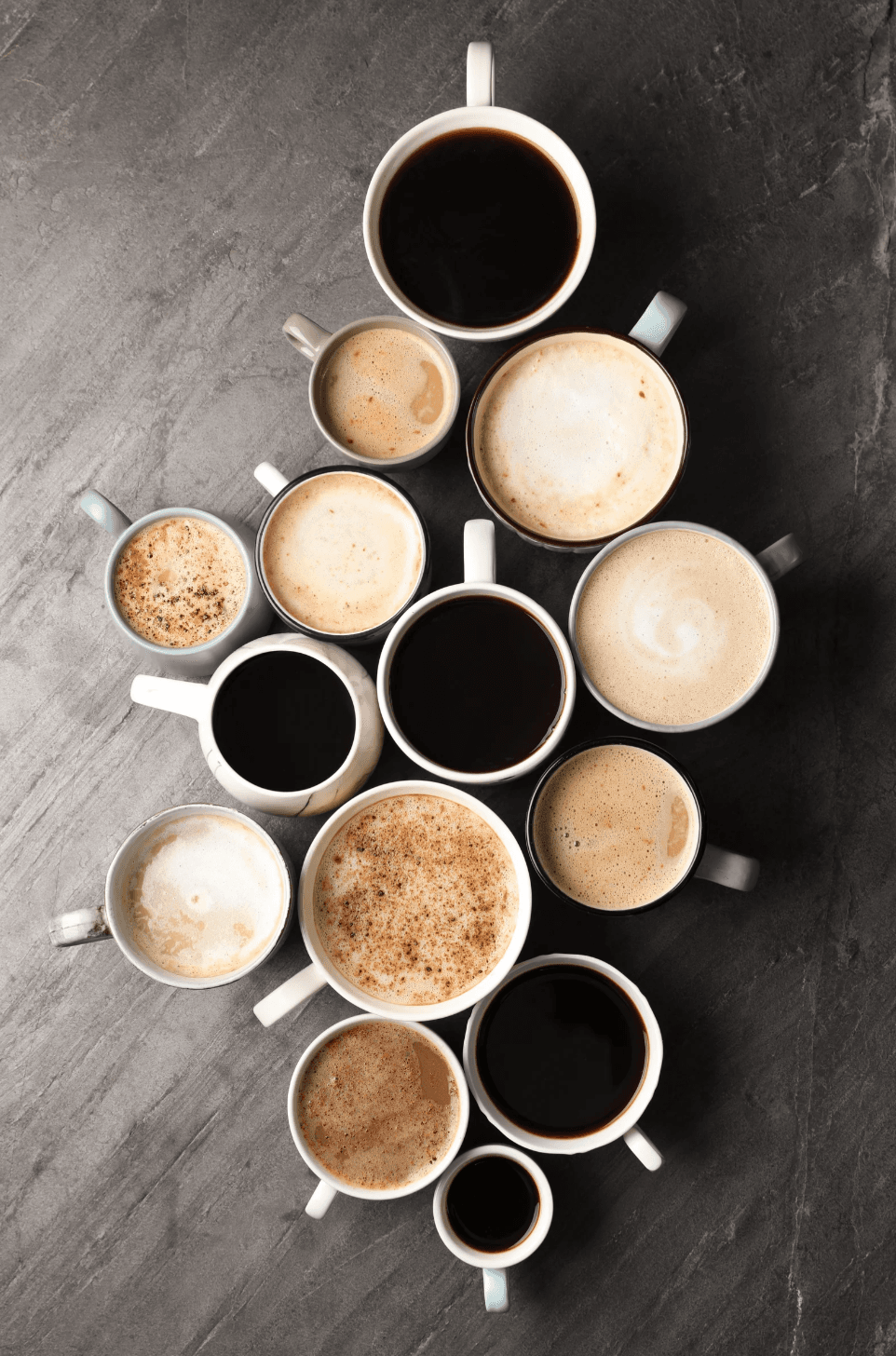
Caffeine is the world’s most widely used stimulant and is mainly found in coffee, energy drinks, tea, pre-workout supplements, and certain soft drinks. In the right amounts, caffeine can actually be beneficial.
Positive Effects of Caffeine
Caffeine can:
increase focus and concentration
improve exercise performance
reduce feelings of fatigue
provide increased energy and motivation
Studies show that caffeine can improve both endurance and explosiveness, especially during cardio and high-intensity training.
But the problem is that many people consume far more caffeine than their bodies actually handle well — often without even reflecting on it.
Caffeine Stays in the Body for a Long Time ⏱️
Many people think the effects of coffee disappear once they no longer feel energized. But caffeine stays in the body much longer than that.
Caffeine has a half-life of around 4–5 hours for many people, meaning that half of the caffeine is still in the body several hours later. For some people, it can take even longer to break down caffeine depending on factors such as stress levels, hormone balance, and genetics.
That means if you drink a large coffee at 3 PM, a significant amount of caffeine may still be affecting your body late in the evening.
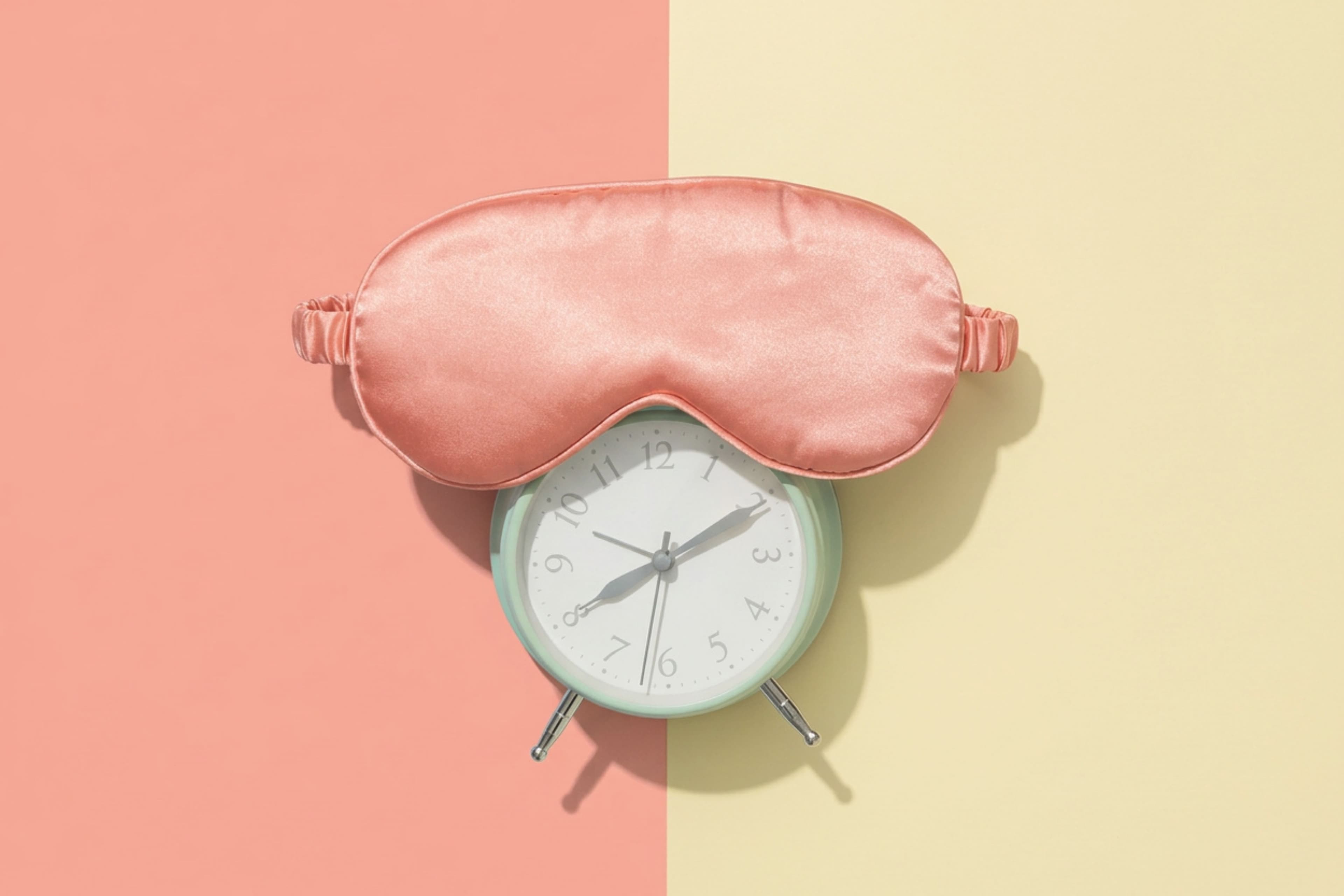
How Does It Affect Sleep? 💤
Even if you manage to fall asleep, caffeine can:
reduce deep sleep
make sleep lighter
increase nighttime awakenings
impair recovery
And when recovery worsens, the body often craves even more caffeine the next day. That’s how many people end up in a vicious cycle:
fatigue → caffeine → poorer sleep → even more caffeine.
Caffeine, Stress, and Cortisol ⚡️
Caffeine stimulates the nervous system and can increase levels of cortisol — the body’s primary stress hormone.
This is not necessarily negative in small amounts, but combined with factors such as heavy workloads, poor sleep, or psychological stress, the body can end up in a more constant state of stress.
For some people, this shows up as:
heart palpitations
anxiety
restlessness
irritability
muscle tension
difficulty relaxing
When Habits Become Dependencies
Caffeine is also a clear example of how dependencies can quietly become part of everyday life. When the body and brain get used to constant stimulation, it becomes harder to feel natural energy, recovery, calmness, and focus.
Many people say:
“I can’t function without coffee.”
That does not mean coffee is “dangerous,” but it can be valuable to reflect on why we feel that we need it.
How to Reduce Your Caffeine Intake
You do not need to quit completely to feel better. Small changes often make a big difference.
Practical Tips:
Wait 60–90 minutes after waking up before having your first coffee
Replace one cup of coffee with decaf or tea
Avoid caffeine after lunch
Reduce intake gradually to minimize headaches and fatigue
Eat properly — caffeine on an empty stomach stresses the body more
Prioritize sleep and recovery instead of “solving” fatigue with more coffee
Recommended Caffeine Intake ℹ️
The Swedish Food Agency states that a caffeine intake of up to 400 mg per day is generally considered safe for healthy adults, which corresponds to about 4 cups of coffee or 2 energy drinks per day. Sensitive individuals may still experience negative effects such as sleep problems, anxiety, and heart palpitations at lower amounts.
Water – The Body’s Most Important Drink 💧
We can survive a long time without many things — but not without water.
The body consists of approximately 50–60 percent water, and every cell needs fluids to function optimally. Despite this, many people walk around mildly dehydrated without realizing it.
What Happens When We Drink Too Little?
Even mild dehydration can affect:
energy levels
concentration
mood
physical performance
recovery
Common signs that you are not drinking enough:
headaches
fatigue
dizziness
dry skin
difficulty concentrating
constipation
sugar cravings
dark urine
How Does Water Affect Training? 🏃🏻♀️
When the body lacks fluids, blood circulation and the body’s ability to regulate temperature worsen. This means:
heart rate rises faster
muscles perform less efficiently
endurance decreases
recovery becomes slower
Even mild dehydration can noticeably affect performance, especially during sweaty workouts or hot weather.
Simple Ways to Increase Your Water Intake:
Always keep a water bottle nearby
Drink a glass of water first thing in the morning
Drink water before coffee
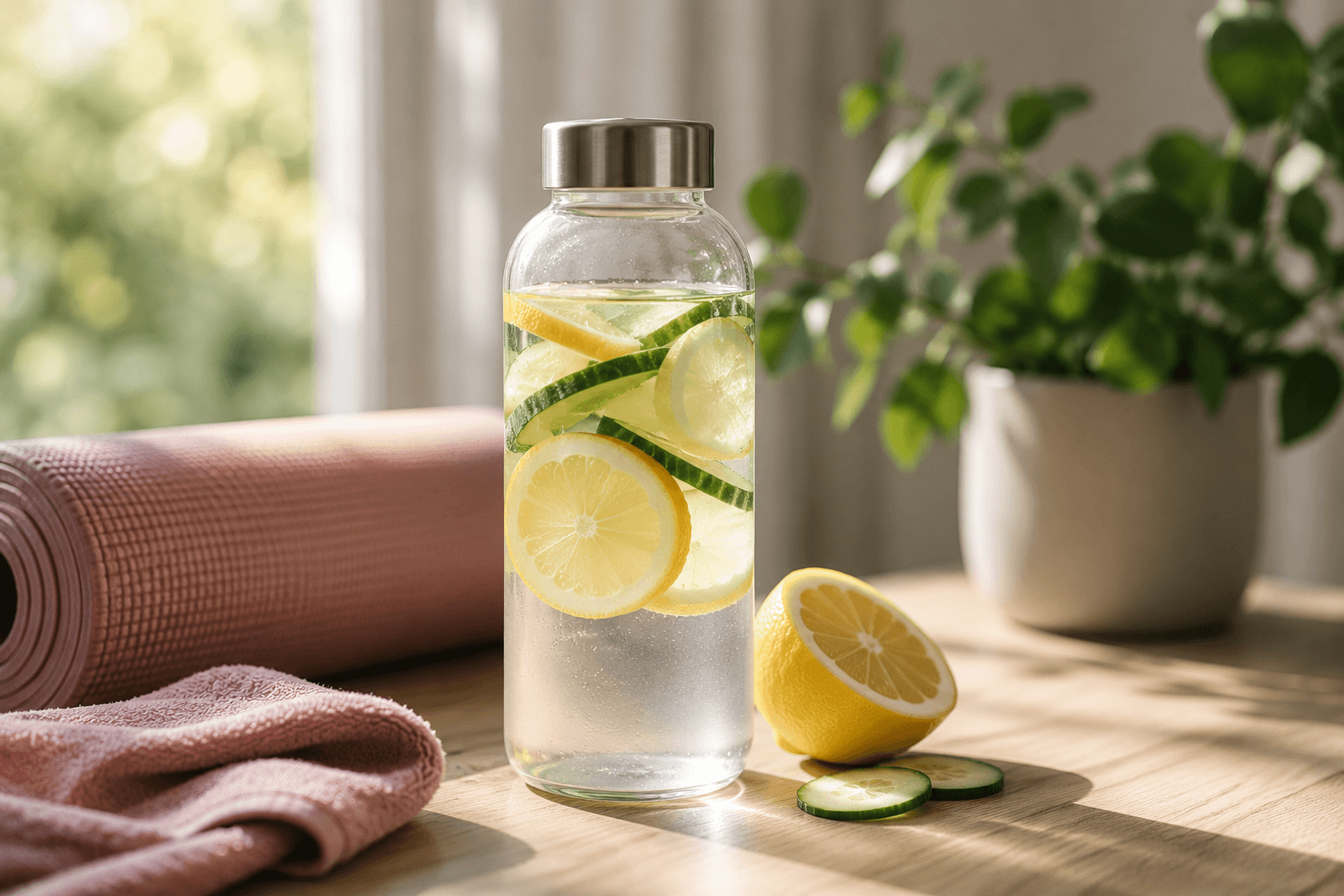
Add flavor with lemon, mint, or berries
Connect drinking water to routines, such as before meals
Bring water to workouts
Use a straw or a larger bottle if it helps you drink more
Recommended Water Intake ℹ️
A normal fluid intake is approximately
2–2.5 liters per day for women
and
2.5–3 liters for men
. Fluid needs increase with exercise, heat, and heavy sweating.
Small Choices Make a Big Difference 🙌🏼
Making conscious choices about what we drink is not about restrictions or perfection. It is about understanding how the body is affected — and giving yourself better conditions to feel well.
When we drink enough water and become more aware of our caffeine intake, many people experience:
✅ better energy
✅ better sleep
✅ more stable moods
✅ better training results
✅ less stress in the body
And perhaps most importantly: a stronger connection to the body’s actual needs.
 Amanda Dresh Sandström