Everyday movement – perhaps the most important kind of movement for your lifestyle 🚶♀️
People often talk about exercise when it comes to an active lifestyle. But the fact is, exercise usually only accounts for about 5–10% of our total energy expenditure.
Do you want to increase your calorie burn, improve your health, and feel more energized in everyday life? Then it’s just as important to look at what you do the rest of the day.
This is where everyday movement comes in.
Everyday movement – everything you do outside of planned workouts – can make up a large portion of your energy expenditure (sometimes as much as 20–40%, depending on your lifestyle). That means small choices, every day, make a bigger difference than you might think 💡
What counts as everyday movement? 🤸♀️
Everyday movement is all the activity you naturally get throughout the day. It’s not about performance – it’s about being an active person in your daily life.
For example:
Movement in daily life 🚶♂️
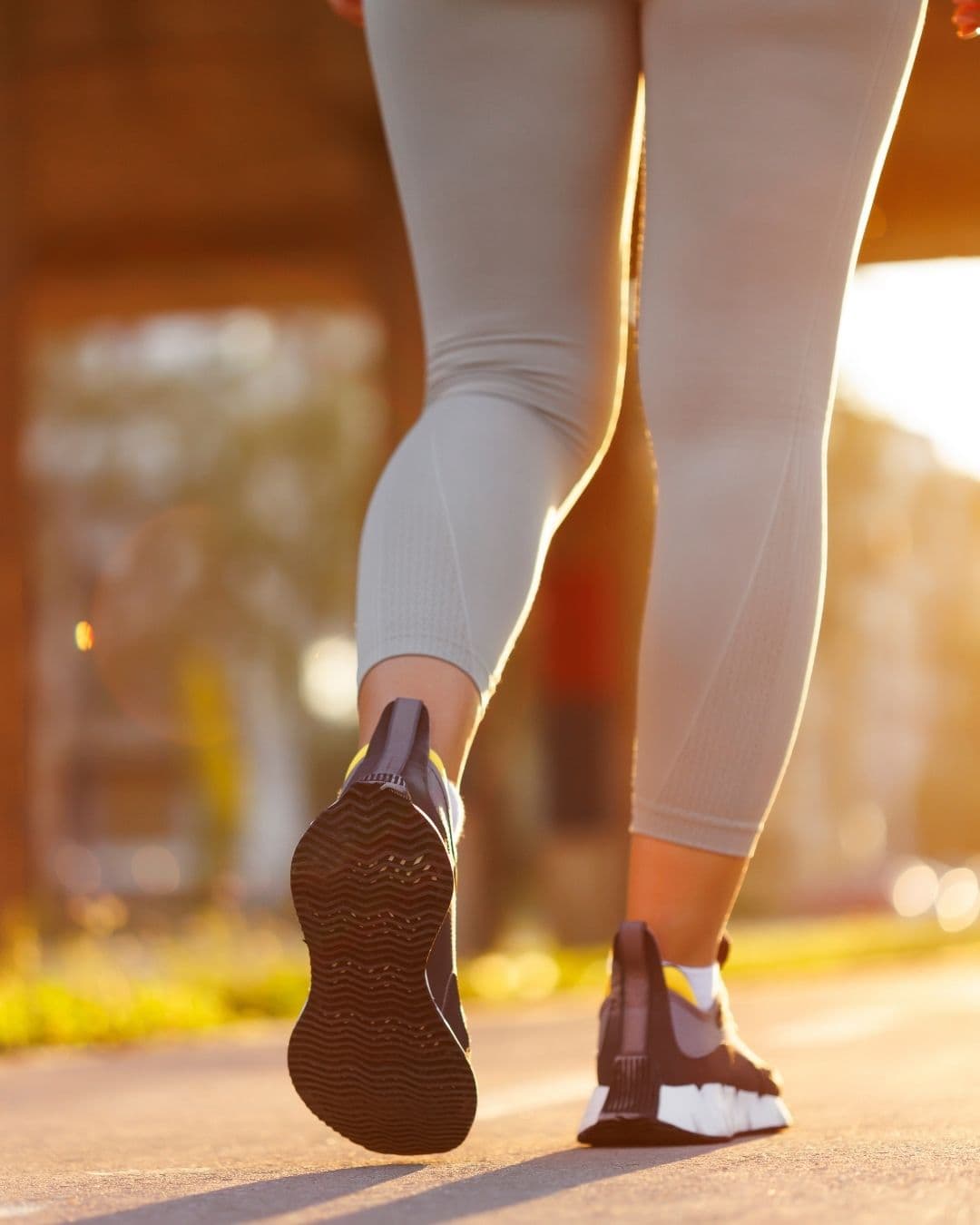
Walk instead of driving short distances
Take the stairs instead of the elevator
Walk or cycle to work or the store
Park a little farther away
Go for a walk while talking on the phone
Stand while working sometimes (or alternate between sitting and standing)
Activity at home 🏡
Clean, vacuum, and tidy up
Do laundry and carry laundry baskets
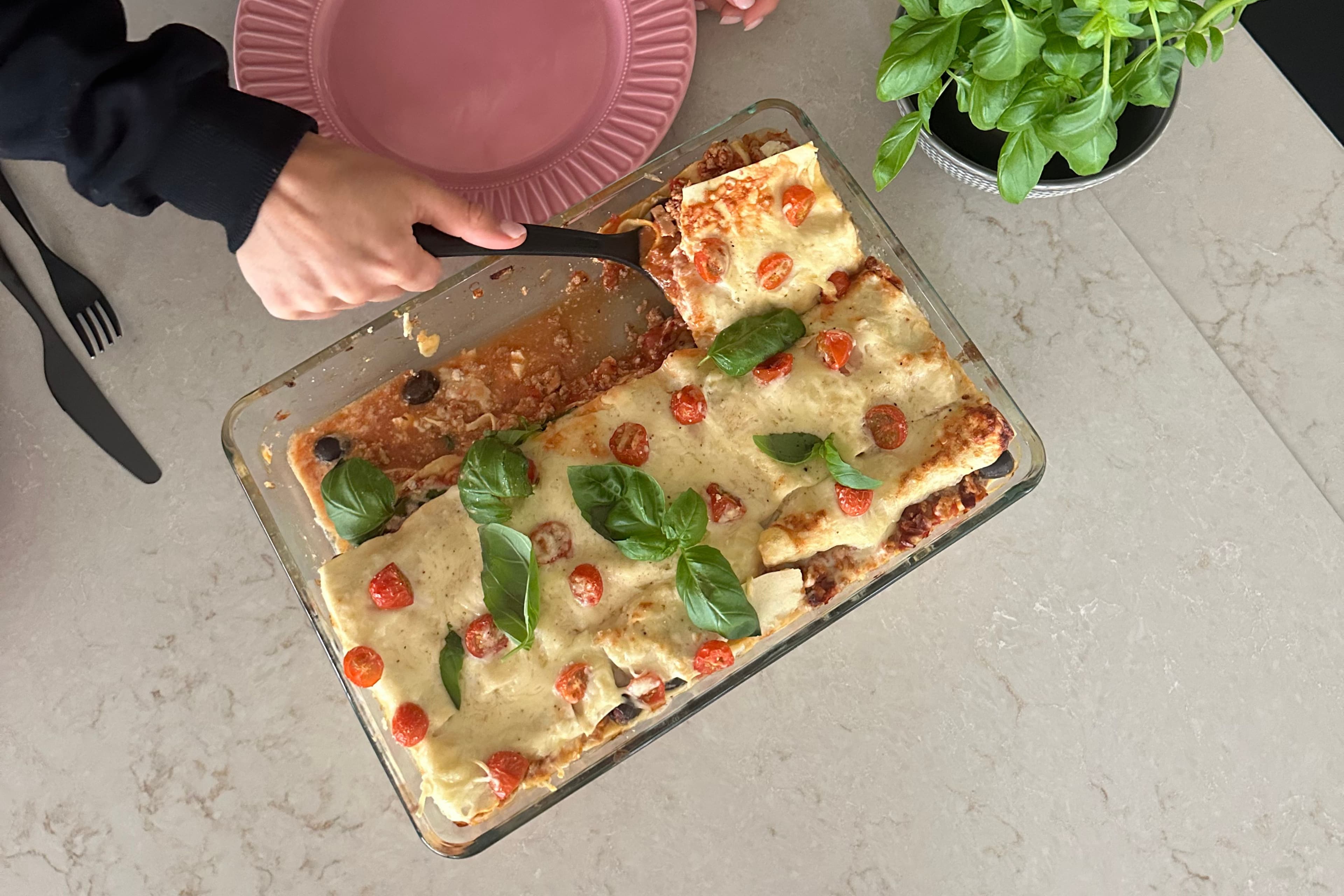
Cook and move around in the kitchen
Do gardening or outdoor chores
An active life 💛
Play with your kids (it counts more than you think!)
Walk with a stroller or your dog
Take a walk after dinner
Meet friends for a walk instead of sitting still
👉 Everyday movement can also be a way to combine usefulness with usefulness.
Helping someone move, working in a garden, or walking a dog gives you movement while also doing something valuable for someone else.
Why everyday movement matters (beyond exercise)
You can work out 3–5 times a week – but it’s what you do the rest of the day that really amplifies the effect. Everyday movement fills that “gap.”
What it contributes, that exercise doesn’t always cover:
Breaks up sedentary time → important for circulation, back/neck health, and energy levels
Provides consistent activation of the body throughout the day → instead of “all or nothing”
Supports recovery → low-intensity movement can reduce stiffness after workouts
Keeps the body’s processes running continuously → not just during a workout
Is easy to incorporate daily → which builds consistency over time
👉 Everyday movement and exercise serve different purposes – and both are needed.
A simple way to think about it
Exercise = the top of the pyramid (important, but a smaller part of the day)
Everyday movement = the base (what you do for most hours)
Without an active daily life, the effect of exercise becomes significantly smaller.
See yourself as an active person 🧠
An important part of getting more movement into your life is how you see yourself.
Stop seeing exercise as something you “do sometimes” – and start seeing yourself as an active person in your everyday life.
An active person:
Chooses movement when the opportunity arises
Thinks “how can I move more today?”
Understands that small things count
Guidelines – but start from where you are 🎯
A common benchmark is to aim for 8,000–10,000 steps per day.
But the most important thing isn’t hitting an exact number – it’s moving more than you do today.
See guidelines as a starting point:
If you’re at 4,000 steps today → aim for 6,000
If you’re at 7,000 → aim for 9,000
Small increases make a big difference over time 📈
Combine usefulness with enjoyment 🎧
One of the best ways to get more everyday movement is to stop separating “movement” from “life.”
Take meetings as walks
Listen to a podcast while walking
Turn errands into an active part of your day
Socialize through movement instead of sitting still
When movement becomes a natural part of your daily life, you no longer have to “find motivation” – it just happens 🙌
Summary 💭
Everyday movement is not a complement to exercise – it’s the foundation of an active lifestyle.
It’s the small choices, every day, that:
Increase your energy expenditure
Improve your health
Give you more energy
So next time you’re thinking about how to become more active – don’t start with the workout.
 Anna Stålnacke